Ankylosed Teeth Removal in Central Florida
Expert removal of fused teeth to restore your smile's natural development and alignment.

What is an Ankylosed Tooth?
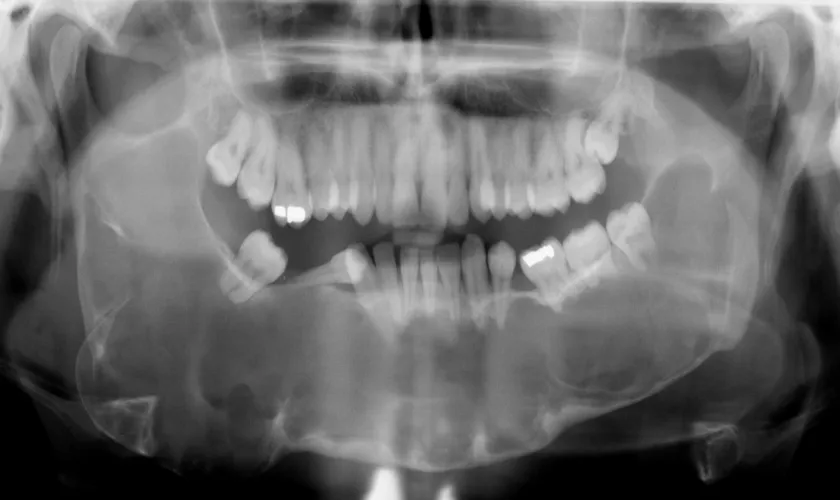
An ankylosed tooth is one that has fused directly to the jawbone, preventing its normal movement or eruption, it's essentially stuck in place. This condition can lead to misalignment of adjacent teeth, severe gaps, and block space needed for orthodontic treatment or future dental implants. Our specialty is the precise, gentle extraction of the ankylosed tooth. Removing this obstruction restores balance to the bite and creates the necessary foundation for a perfectly aligned, healthy smile.

Causes and Risks of Ankylosed Teeth
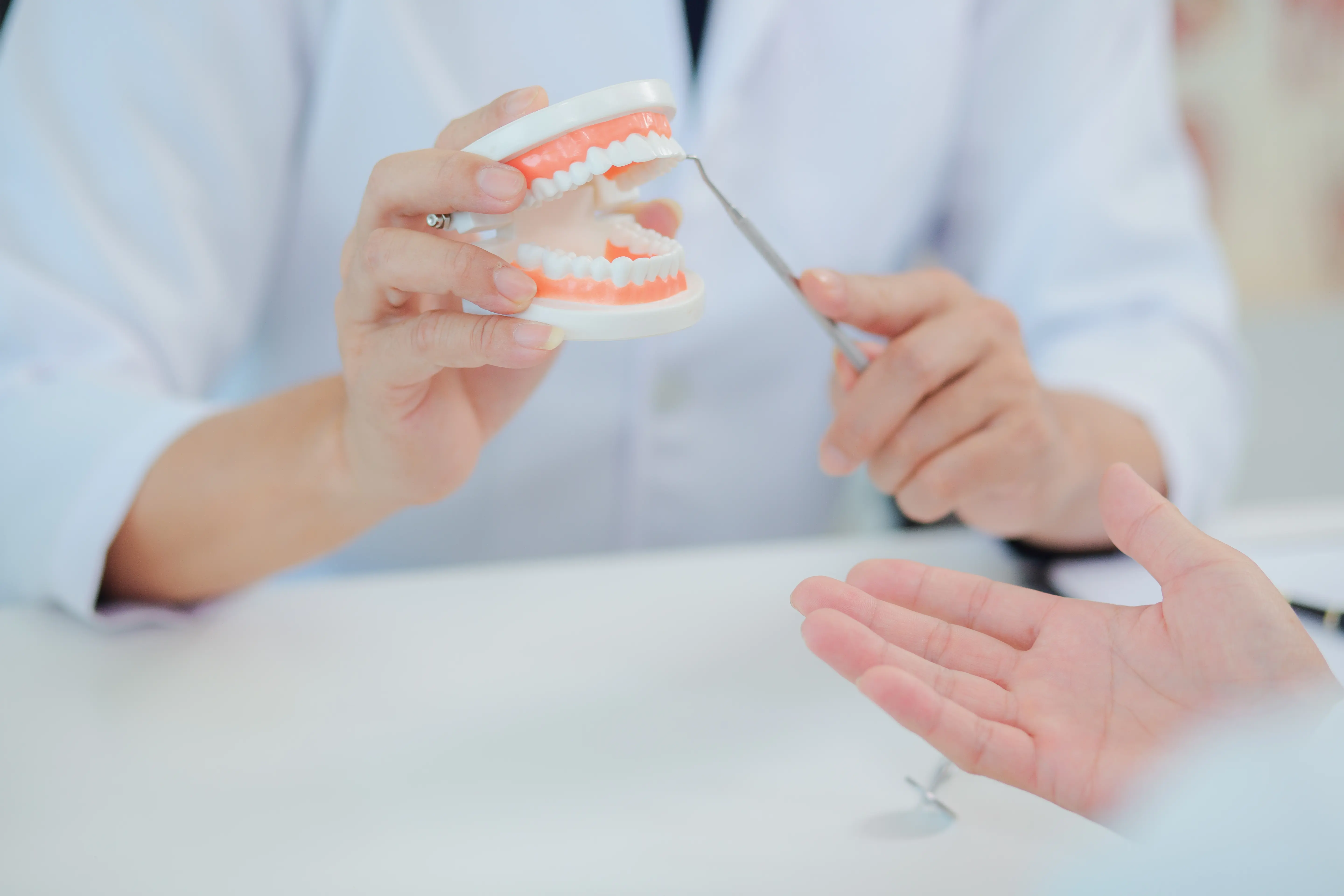
Ankylosed teeth commonly occur in primary teeth that fail to naturally fall out. They can also impact permanent teeth due to trauma or infection, leading to complications if not addressed.
 Common in baby teeth that don’t fall out
- Can affect permanent teeth after trauma or infection
- Crooked bite/misalignment
- Delayed eruption of permanent teeth
- Bone growth issues in children
When is Removal Necessary for Ankylosed Teeth?
Ankylosed teeth can obstruct the eruption of permanent teeth and interfere with orthodontic treatments. Timely removal is vital for maintaining oral health and function.
Step-by-Step Guide to Safe and Precise Ankylosed Tooth Removal
1
Advanced 3D Imaging and Mapping
We begin with a thorough digital analysis using advanced CBCT imaging to precisely map the tooth's fusion, root structure, and the surrounding bone, guaranteeing an accurate diagnosis.
2
Tailored Surgical Strategy
A custom plan is developed for your specific dental needs, focusing on the most minimally invasive pathway to release the tooth from the bone while protecting neighboring structures.
3
Guaranteed Comfort and Sedation
We offer comprehensive sedation options (from local anesthesia to general anesthesia) to ensure you are completely relaxed and comfortable throughout the brief, precise procedure.
4
Precise Micro-Surgical Removal
Our experienced team performs the gentle and precise removal of the fused tooth. If necessary, we use specialized bone grafting to immediately restore the resulting space for future function or implants.
5
Guided Healing and Post Care
We provide clear, detailed guidance on recovery, manage your post-operative comfort, and schedule follow-up to ensure flawless healing and long-term stability of your oral health.
Anxiety-Free Sedation Options for Your Comfort
Your comfort and safety are our top priorities during the procedure. We offer a range of sedation options to ensure a relaxed experience.
IV Sedation for a Relaxed Experience
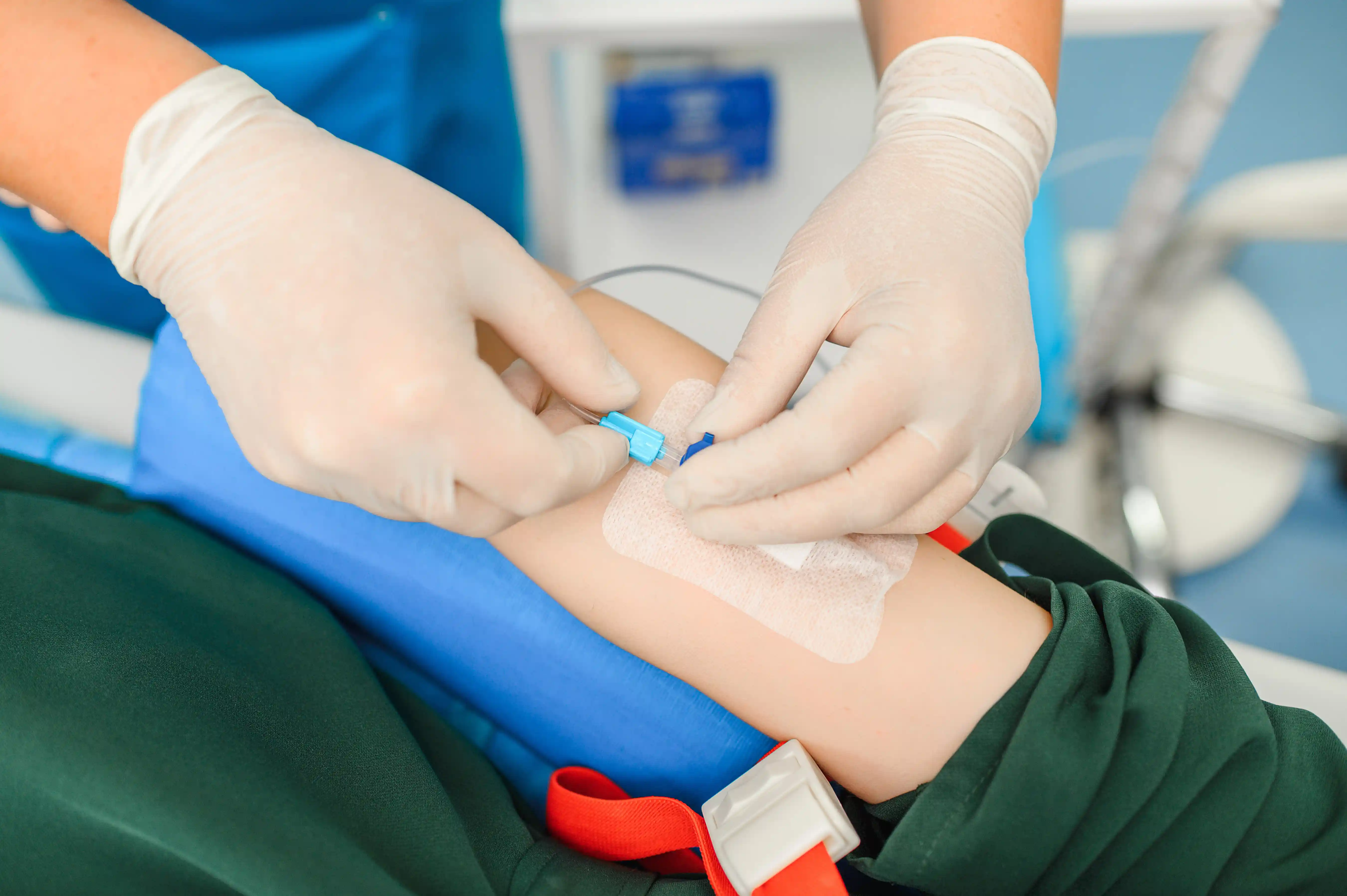
IV sedation allows you to remain calm and comfortable throughout your treatment.

Oral Sedation for Ease and Comfort
Oral sedation is an effective option for those who prefer a pill to help ease anxiety.
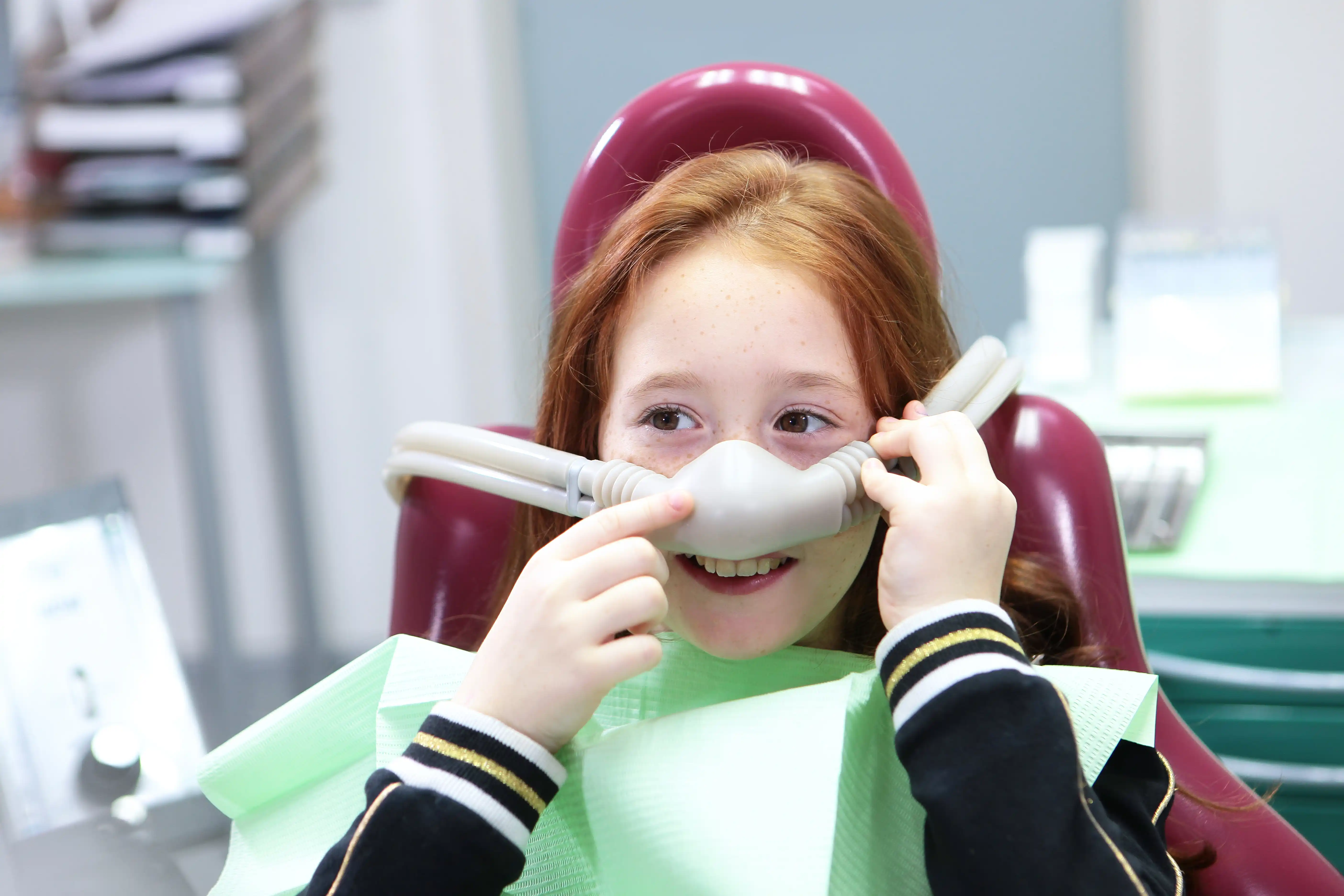
Nitrous Oxide for Quick Relaxation
Nitrous oxide provides immediate relaxation and wears off quickly after the procedure.

Advantages of Removing Ankylosed Teeth
Removing ankylosed teeth restores proper bite and function, allowing for better oral health. It also prepares the site for future orthodontic treatments or dental implants.
 Supports healthy bone growth in children and teens.Enhances smile aesthetics for improved confidence.Prevents complications associated with misaligned teeth.Promotes long-term oral health and function.
What to Expect After Your Ankylosed Tooth Removal
After your ankylosed tooth removal, you may experience mild swelling or soreness for 2 to 3 days. Most patients heal within 1 to 2 weeks, allowing for a smooth recovery.
 Stick to soft foods during your recovery period.Maintain gentle oral care to promote healing.Follow-up visits are essential for monitoring recovery.

What Sets Us Apart
At Ason Oral Surgery, your comfort, confidence, and peace of mind come first. From advanced technology and personalized treatment plans to same-day care, we’re here to make your journey as easy, comfortable, and successful as possible.
Care Without the Wait

Leader in Oral & Maxillofacial Surgery
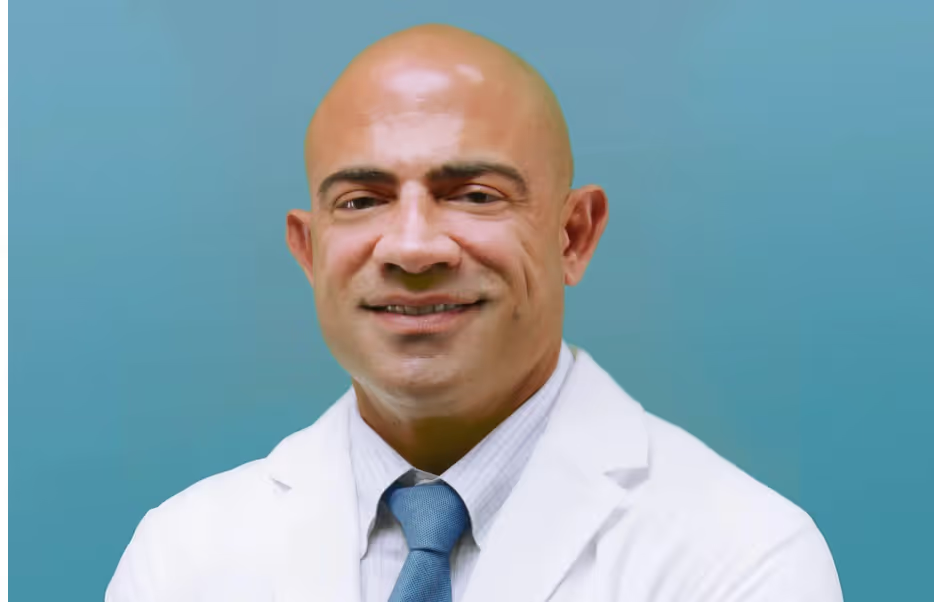
Cutting-Edge Surgical Precision
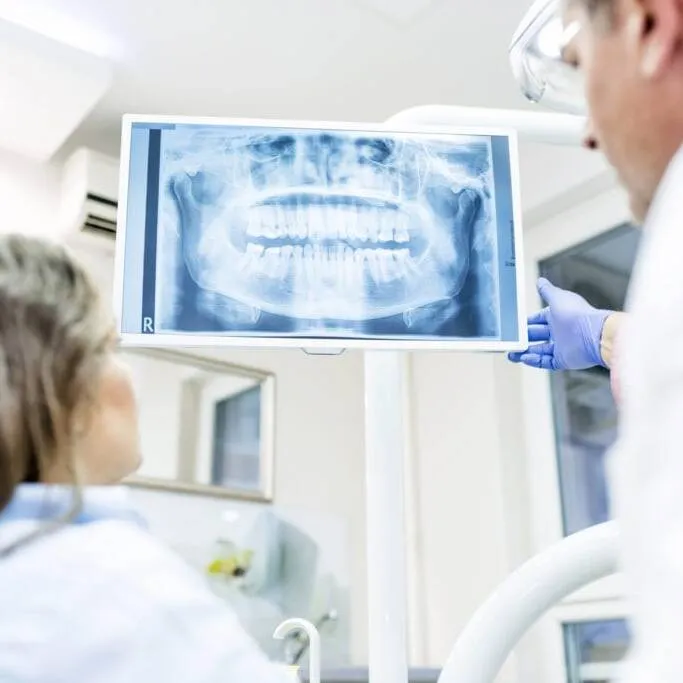
A Philosophy Built on Compassion
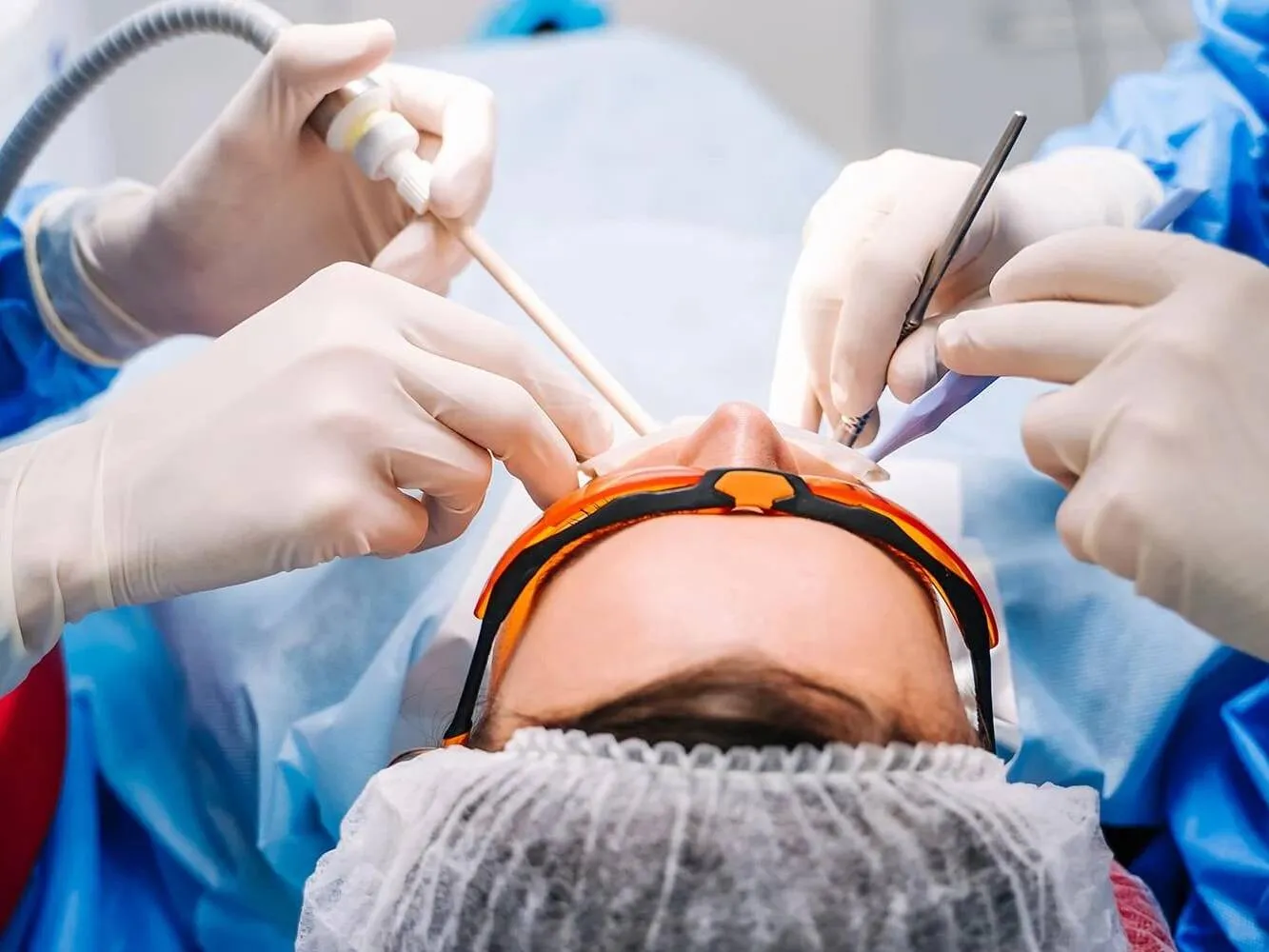
Trusted Care, Proven Results

Comfort First, Every Step of the Way

Restore Your Smile’s Function and Health
At Ason Oral Surgery, we prioritize your comfort, safety, and oral health above all. Whether you require specialized surgical treatment, innovative dental options, or caring support, our team is ready to assist you.
FAQs
Discover answers to your most pressing questions about ankylosed teeth removal.
Ankylosis refers to a condition where a tooth is fused to the jawbone. This can hinder normal eruption and alignment. Understanding this condition is crucial for effective treatment.
Diagnosis typically involves a thorough clinical examination and imaging studies, such as X-rays or CBCT scans. These tools help visualize the tooth's position and its relationship with the jawbone. Early diagnosis is key to effective treatment.
Symptoms may include delayed eruption of teeth, bite misalignment, or discomfort while chewing. In some cases, there may be visible swelling or changes in the gum tissue. Recognizing these signs early can help in timely intervention.
While some discomfort may occur, we prioritize patient comfort through effective anesthesia and sedation options. Most patients report minimal pain during and after the procedure. Our team is dedicated to ensuring a smooth experience.
Recovery generally involves mild swelling and soreness for a few days. Most patients return to normal activities within a week or two. Follow-up appointments are crucial for monitoring healing.
As with any surgical procedure, there are potential risks, including infection or delayed healing. However, these risks are minimized with proper care and follow-up. We will discuss any concerns during your consultation.
The cost of ankylosed teeth removal varies based on individual circumstances. Many insurance plans cover part of the procedure when deemed necessary. We offer flexible payment options to accommodate your needs.
You can expect a thorough evaluation and a personalized treatment plan. Our team will guide you through each step of the process. We aim to make your experience as comfortable and stress-free as possible.
After the procedure, it's advisable to stick to soft foods for a few days. Avoid hard or crunchy foods that may irritate the surgical site. Staying hydrated and following post-operative instructions is essential.
Preparation involves following pre-operative instructions provided by our team. This may include dietary restrictions or medication adjustments. Being well-prepared can help ensure a smooth procedure.
