If Something Feels “Off,” You’re Right to Ask
Dental implants are meant to be strong, stable, and long-lasting.
So if you’ve been told you’re losing bone around your implant, it can feel confusing — and even scary.
You might be wondering: Did I do something wrong? Is my implant failing? Can this be fixed?
Take a breath. You’re not alone, and you’re in the right place. Understanding why bone loss happens around dental implants is the first step toward protecting your smile and your health.
Why Bone Loss Around a Dental Implant Matters
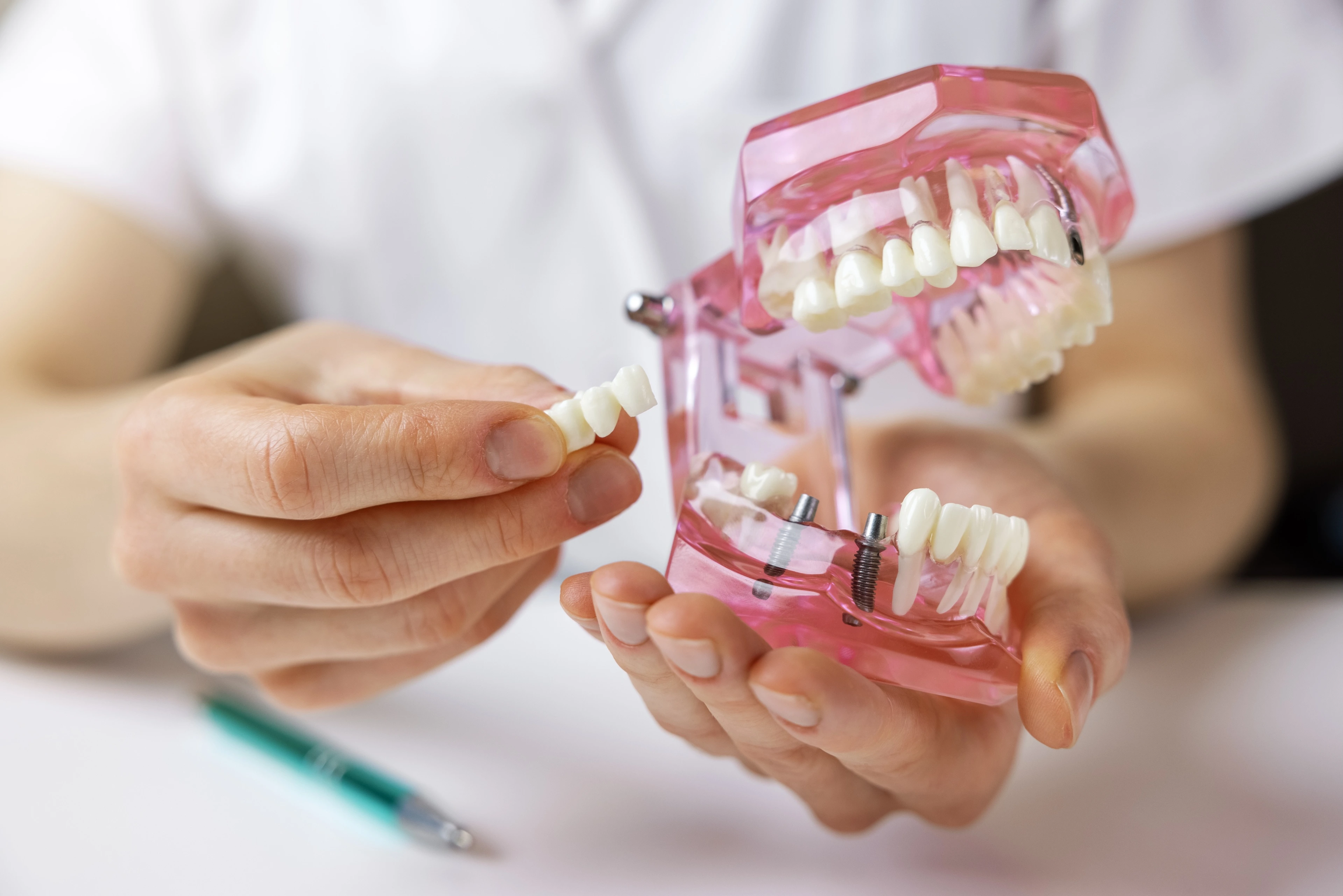
Your implant relies on healthy bone for support — just like a tree needs strong soil to stay upright.
When bone begins to shrink or weaken:
• The implant can become unstable
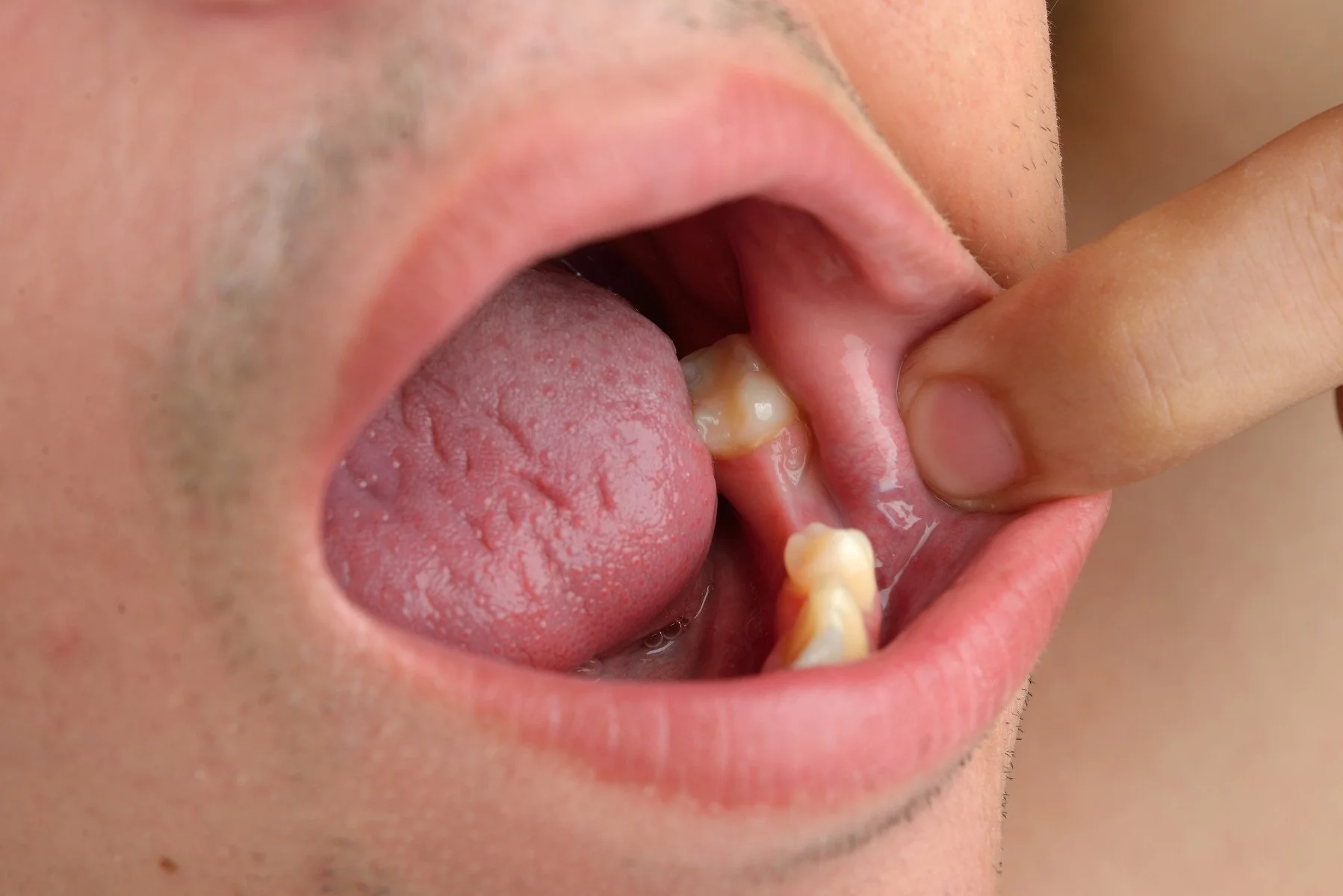
• Gums may pull away and expose metal
• Infection risk increases
• The implant may eventually fail
Catching bone loss early makes treatment simpler, more comfortable, and more successful.
What’s Causing Bone Loss Around a Dental Implant?
Bone loss doesn’t happen for just one reason. It’s usually a combination of factors.
Think of your implant like a fence post. If the ground around it erodes, the post loosens — even if the post itself is fine.
Common Causes Include:
1. Infection (Peri-Implantitis)
This is similar to gum disease around natural teeth. Bacteria cause inflammation, leading to bone breakdown if untreated.
2. Bite Pressure or Grinding
Too much force on an implant can stress the surrounding bone over time.
3. Poor Bone Quality or Healing Issues
Some patients naturally have softer bone, or healing didn’t go as planned after placement.
4. Smoking or Certain Medical Conditions
Smoking, diabetes, and immune conditions can reduce bone’s ability to stay strong.
5. Implant Position or Design
Even small placement issues can affect how bone responds long-term.
Who Is Most at Risk for Bone Loss Around Implants?
You may be at higher risk if you:
• Have a history of gum disease
• Smoke or vape
• Grind or clench your teeth
• Have uncontrolled diabetes
• Miss regular dental checkups
• Had limited bone before implant placement
Knowing your risk helps guide the right treatment plan.
Key Benefits of Addressing Bone Loss Early
• Helps save your existing implant
• Reduces infection and discomfort
• Protects nearby teeth and bone
• Improves long-term implant success
• Avoids more complex procedures later
Early care truly makes a difference.
A Patient Story
“I thought my implant was failing and panicked. Dr. Ason explained what was happening and treated it before it got worse. I’m so grateful we caught it early.”
Why Choose Kissimmee Oral Surgery for Implant Bone Loss Care
At Kissimmee Oral Surgery, your care is never rushed or one-size-fits-all.
Led by Raphael A. Ason, our team focuses on:
• Advanced implant diagnostics and imaging
• Gentle, patient-centered treatment
• Expertise in bone regeneration and grafting
• Sedation options for comfort and anxiety relief
• Honest, clear communication
• Predictable, long-term outcomes
Our goal is to protect your implant — and your peace of mind.
What to Expect If Bone Loss Is Found
Before treatment:
• Detailed imaging to measure bone levels
• Clear explanation of your options
Treatment may include:
• Deep cleaning around the implant
• Infection control
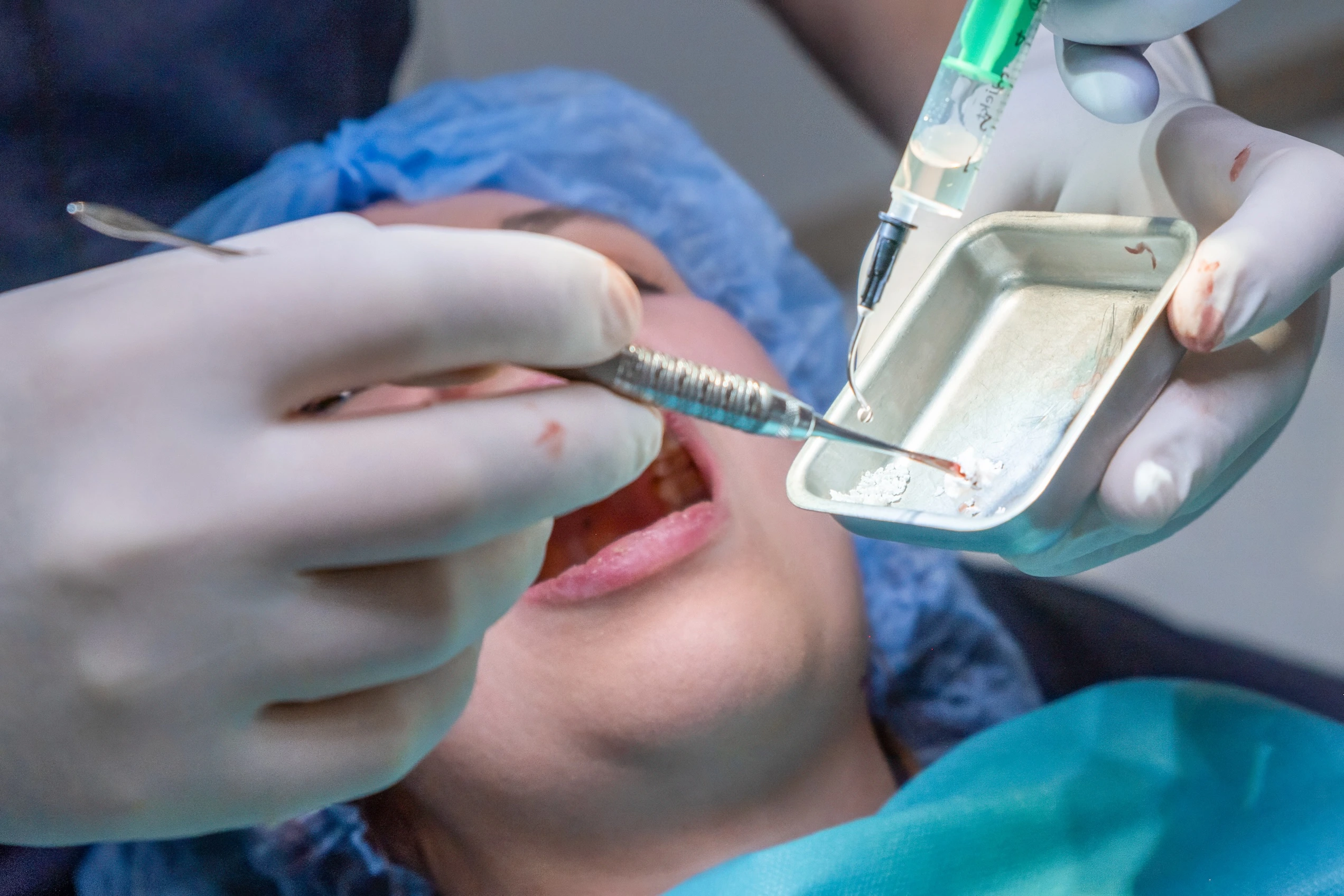
• Bone grafting to rebuild lost support
• Bite adjustments or protective guards
Recovery:
Most patients experience mild soreness and return to daily routines quickly with proper aftercare.
Concerned About Your Dental Implant? Let’s Talk.
Could Bone Loss Be Affecting Your Implant?
If something doesn’t feel right — or you’ve been told you’re losing bone — don’t wait.
📍 3172 Bill Beck Blvd, Kissimmee, FL 34744
📞 Call (407) 483-4939 to schedule a consultation and get clear answers.
.webp)
.jpeg)